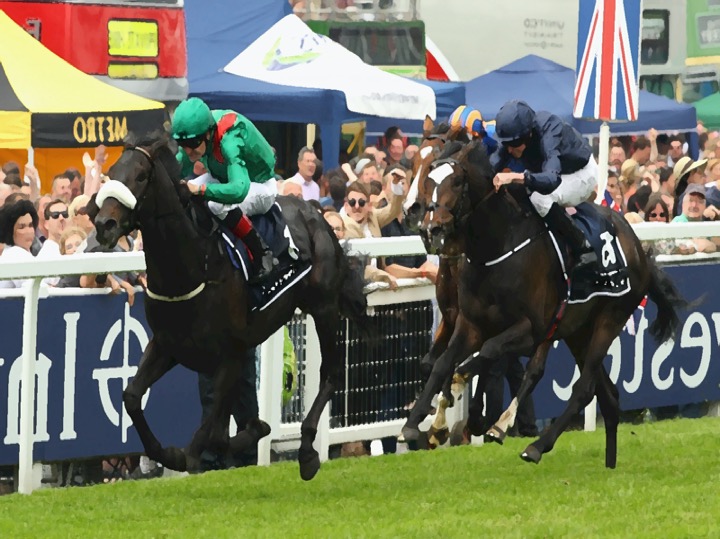
In the first part we talked about the various types of people involved. The two or three key characters involved in the thing that matters the most – winning the race, are firstly the Horse of course, who is the one running the race; then there is the Jockey, who guides the horse in the most important events – the race as well as at the training track; then there is the Trainer who is responsible for the management of the horse well being, its feed, the conditioning as well as physical fitness, selecting the type of race which the horse is expected to race its best and of course maintaining the training agenda and finally the owners, who not only invest their money on the horse but also in the entire training and career program
All these people are inter connected alongwith a few other players such as the Breeder, the handicapper and of course the Race Course
Winning a race requires many factors to be noted which is why this sport is considered a very interesting enigma to beat from a gambling perspective. The Track for example – the race track can be of different types and depending upon the season, can be a grassy, dirt (no grass cover), rain track, all weather track etc. Horses may like some type and dislike some other type of track. Its like Rada being a Champion in Clay while Federer a class apart in Grasscourts. Think about the employee – is s/he in her favourite game field? Is s/he in the right business vertical? Do we have a engineer who is good in the field testing working in the lab also in testing?
Another factor is the moisture in the track and weather conditions, whether its cloudy, whether the tracks is dry and hard or is it wet and soggy? Is there a lit if wind just like how an aircraft can face tailwind and head wind assisting it or pushing it back. Consider this now – is the employee comfortable in the conditions provided? Does s/he have the necessary ‘hygiene’ factors to work her best? Is there a ladies washroom nearby or a waste bin in the washroom for her personal hygiene items to be tossed away? Is there a canteen / dining room around or do they have to work and eat in the same place – aromatically nauseating post lunch?
Then there is Horse equipment – Hood, Blinkers, Nose band etc which are used to either manage a Horse’s physical inability or to accelerate their performance. Some horses dont like to ‘see their competition’ and therefore Trainers like to make them put on a Blinker which hides them from seeing others and therefore focus only in the track ahead. What equipment does the employee need to become better at their work? A laptop or a desktop? a high speed scanner or an excel program training?
Other factors affecting Horses performance is distance – a horse who is a sprinter can comfortably manage distances of 1000, 1200 and sometimes even unto 1400 meters. Horses which are ‘Milers’ can manage distances of 1400, 1600 and even 1800 meters. Many others who are called ‘Stayers’ can run distances of 2000 meters and over better than shorter trips. In other words a Sprinter is way out of league in a ‘Distance race’ and vice versa. Now what is the ‘Pet Distance’ of the employee – something he is best at? Are we pushing our best salesman into making calls and fixing them up before going to the field and meeting clients which he is best at rather than getting a tele caller to do this part so that s/he spends more time with the client building relationships?
Another factor determining the winner is how much the horse is carrying as a weight on the back. Including the jockeys weight, the Handicapper decides based on the previous race track performances how much weight is to be given as a penalty to enable all horses to have a fair chance of winning the race. Obviously in a even race all horse carrying same weight, the winner in the next race carries more weight to make him ‘labour’ harder to win again. Imagine a rookie salesperson being given say a x target and an older salesperson carrying say, 2x targets. Thats fair right?
Finally, when the race is run, other factors such as the time of the race (whether in mid day or towards evening when it is cooler, or the ‘Draw’ which means how close the horse is to the Rails which means he travels the least distance whereas the one on the outside draw has to travel a longer distance (unlike human track races, where the race is measured for each lane) since horse run together bunched up as is their nature
Read more on how to spot winners and look for the things which make others winners for your to keep growing your list of Talented Employees in our Concluding Part of the series