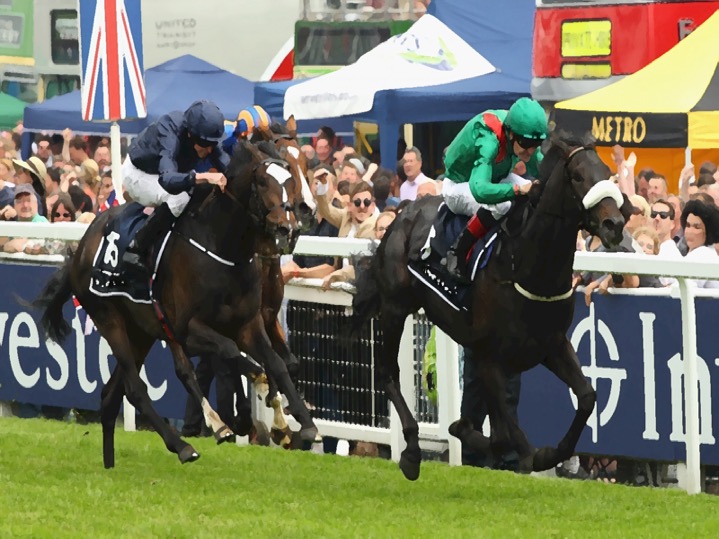
Those who have visited the Race Course and seen horse racing would know how close to Corporate Life the Horse Racing Centre exhibits. All the relevant actors and players are there on stage. In this series of posts I am sharing my observations of the close relationships which HR Professionals can well look for
There is the Racing Centre Officials Stewards and Stipes who are monitoring the game and ensuring fairness. Compliance officers? Auditors?
You have Breeders, those who rear and breed these wonderful equines and constantly keep cross breeding the best to come up with the one miraculous Stead who can beat all odds and all circumstances and yet come up trumps! Management Team anyone?
There is the Governing body which frames the rules like a regulator. Bookmakers and Prize money – the rewards and incentives, Jockeys and Trainers – the Sales Teams – who are expected to keep their team in tip top shape and make them perform when the time comes, and of course there is the audience – people who will cheer and back you all the way down to their last dollar, even when you have no relationship to them!
In particular, I liken the HR Manager to be somewhat playing the role of the Handicapper whose job it is to ensure every one has a chance to win and take the prize. His job is not only unique, it is thankless, and requires access to data and of course complete knowledge about how equines perform
When horses are younger (they start as fresh as two year old), the handicapper usually allows them 3-4 open races where they run in their own company of other two year olds…. Imagine the first few months after you have selected freshmen from campus and they are pitted against each other. The only thing which can relate to form is their track work (horses are run early morning daily to measure their fitness and response to diet / track conditions), and their pedigree.
In these few races, the Handicapper is able to see and observe for herself / himself, how these ‘babies ‘ are doing and then put them on a scale. Horses are rated from 0 to over 120. The highest I have seen on the race card is about 135. More about how they relate on the race track
Owners and Trainers too can view their wards performances and based on the initial feedback decide how they will keep their horse. As a Black Type (only races in terms races reserved for the best of the bloodlines), or in handicap races
Knowing Pedigree and ‘Bloodlines’ has a lot of relevance for me and I have used this learning in Recruitment. One of the questions I always pose to the candidate is about Family and who is doing what. Each role defines to me a specific ‘Bloodline’ required. For example, a title ‘Razdan’ belonging to Kashmiri Pandits when dug deep will provide information about the family ancestors being the Kings confidante – one who kept all the State Secrets. Such persons could become great Personal Assistants / Executive Assistants and otherwise Internal Auditors who need to report only to the board
Is it any reason that most doctors have had a parent in the family in the same line, or similarly Lawyers/Advocates etc? They have breathed the environment on a daily basis. Wondered why a significant portion of Civil Servants have had some connection to the profession – either parent or someone in the family… check Defence personnel….
A Harvard returned Finance Professional at CR Park who was doing up his house revealed to the Interior Designer that he was third Generation of Harvard-ites starting from his Great Grandfather. His son now about 5 years – where do you see him studying?
One key learning therefore is to find out the Characteristics from the background and match the profile to a job role.